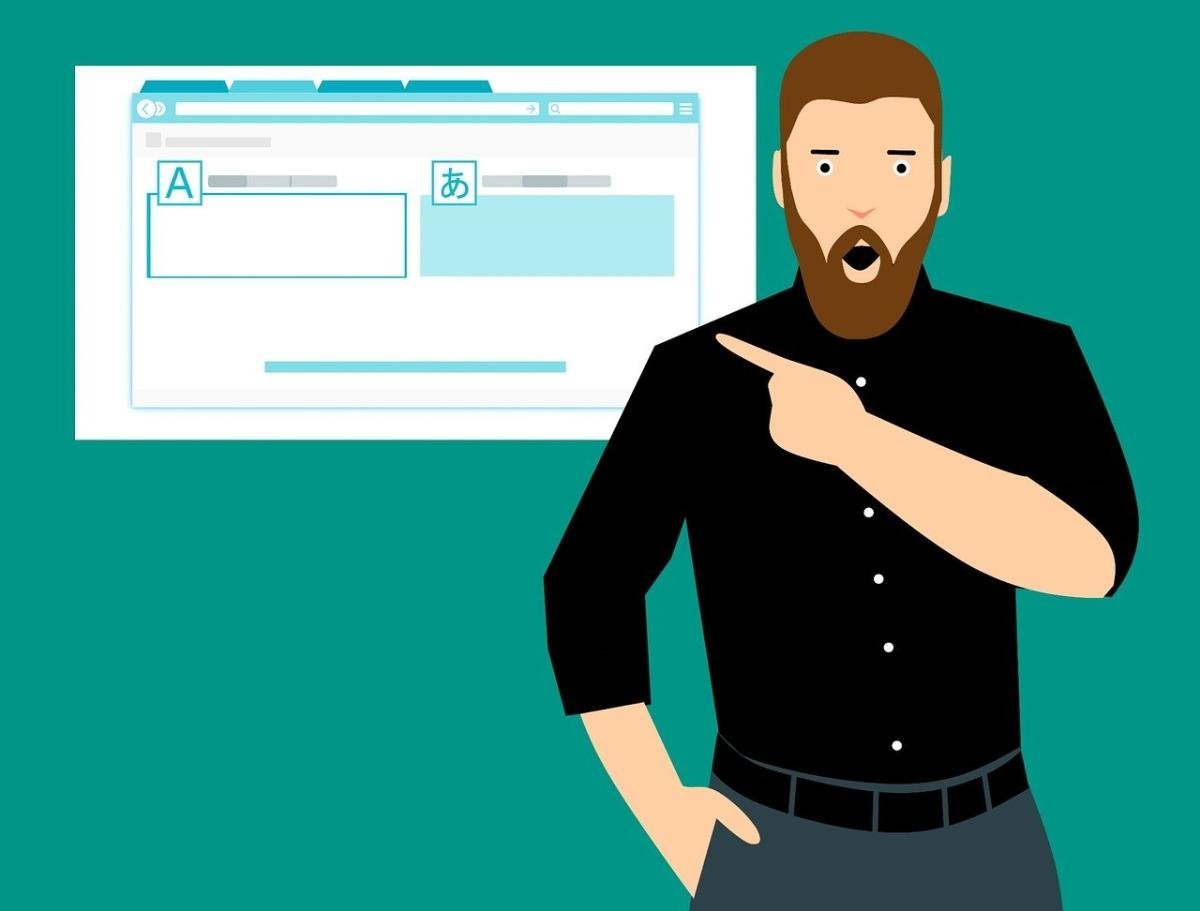
If you’re looking to bridge language barriers effortlessly, then AI translators are your go-to solution. These handy tools have come a long way and make communication between different languages as easy as pie. Whether you're traveling, conducting business, or just having fun chatting with friends from around the world, there's a lot of exciting options out there!
So, what should you look for in an AI translator? Here are a few features that can make a real difference:
Brands like Google Translate and Microsoft Translator are popular for a reason. They have powerful features that can really help you out. But newer options like iTranslate and SayHi are also making a name for themselves with cool functionalities and user-friendly vibes.
No matter which one you choose, using an AI translator can truly enhance your communication experience. It’s all about finding the right fit for your needs. With the right translator by your side, you'll never feel lost in translation again!
How AI Translators Make Life Easier
AI translators are changing the way we communicate across languages, making everyday interactions smoother and more accessible. Imagine traveling to a new country and being able to talk to locals without struggling to remember that high school Spanish. With just a tap on your phone, you can translate conversations in real-time, making those experiences much more enjoyable.
These tools are user-friendly and often come with features like voice recognition and text translation. Whether you're in a bustling market or a quiet café, simply speak or type, and your message gets translated almost instantly. It's like having a personal translator right in your pocket!
For businesses, AI translators open up a world of opportunities. Imagine reaching out to international clients without worrying about language barriers. With automatic translation, emails, documents, and even marketing materials can be understood by a wider audience, making global connections feel effortless.
What's even better is that many of these translators continuously learn and improve. As they process more language data, their accuracy gets sharper, helping ensure that your messages come through loud and clear. They're not just tools; they're becoming smarter every day, adapting to different languages, dialects, and contexts.
Key Features to Look For
When you're on the hunt for a smart AI translator, there are a few key features that can really make a difference in your experience. Here’s a rundown of what to keep an eye out for:
Having these features will not only enhance your translation experience but also make communication smoother and more enjoyable. Whether you’re traveling, meeting new friends, or working on international projects, the right AI translator can be a game-changer!
Tips for Choosing the Right Translator
Choosing the right translator can feel overwhelming, especially with so many options out there. But don't worry, I've got some tips to help you find the perfect fit. Start by thinking about the languages you need to translate. Make a list of the most important ones and check if the translator you’re considering supports those languages. Some tools are great for major languages but may struggle with less common ones.
Next, consider the type of content you’ll be translating. Are you just chatting with friends, or do you need to translate business documents? If you’re aiming for precision—like in legal or technical documents—look for a translator known for its accuracy. For casual conversations or social media posts, a tool that focuses on conversational tone might work just fine.
Don’t forget to check out user reviews! Real-life experiences can tell you a lot about how effective a translator is. Look for insights on speed, reliability, and ease of use. You want something that’s not just capable but also simple enough to integrate into your daily routine.
Lastly, think about how you’ll use the translator. If you need something on-the-go, mobile apps might be your best bet. For home or office use, a web-based option could be more convenient. Some tools offer text translation, while others can handle voice or even pictures. Knowing how you plan to use the translator can help you make a smarter choice.